




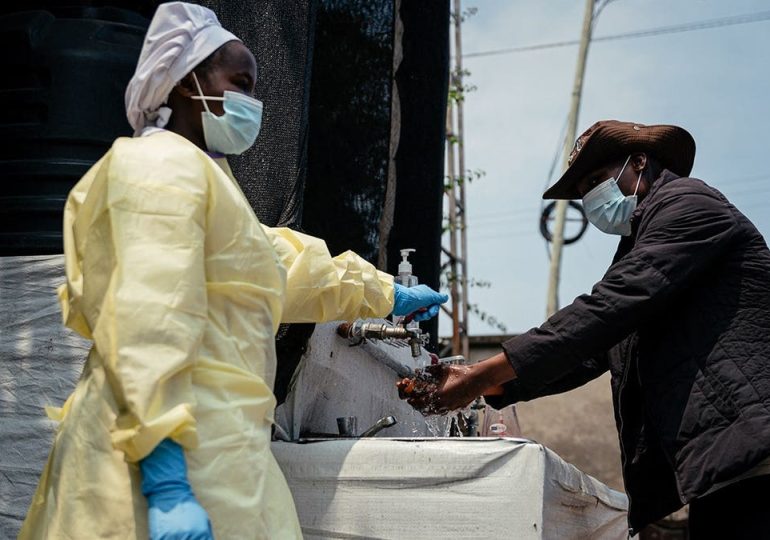
Dr. Jacob Glanville, a leading immunologist at Centivax in San Francisco, which is developing a universal flu vaccine, spoke with Fox News Digital about the potential spread of Ebola into the U.S.
The doctor noted that the virus has a two- to 21-day incubation period, during which an infected person can show no symptoms and the infection cannot be detected by tests.
CLICK HERE FOR MORE HEALTH STORIES
“It is thus possible for Ebola to move across international borders silently, bypassing screening,” he said.
“Some travel restrictions from the affected area have been put in place to limit this risk, although as this outbreak was spreading silently for months, it is possible that an infected traveler had come to the U.S. in the past 21 days from the affected areas prior to the travel restrictions.”
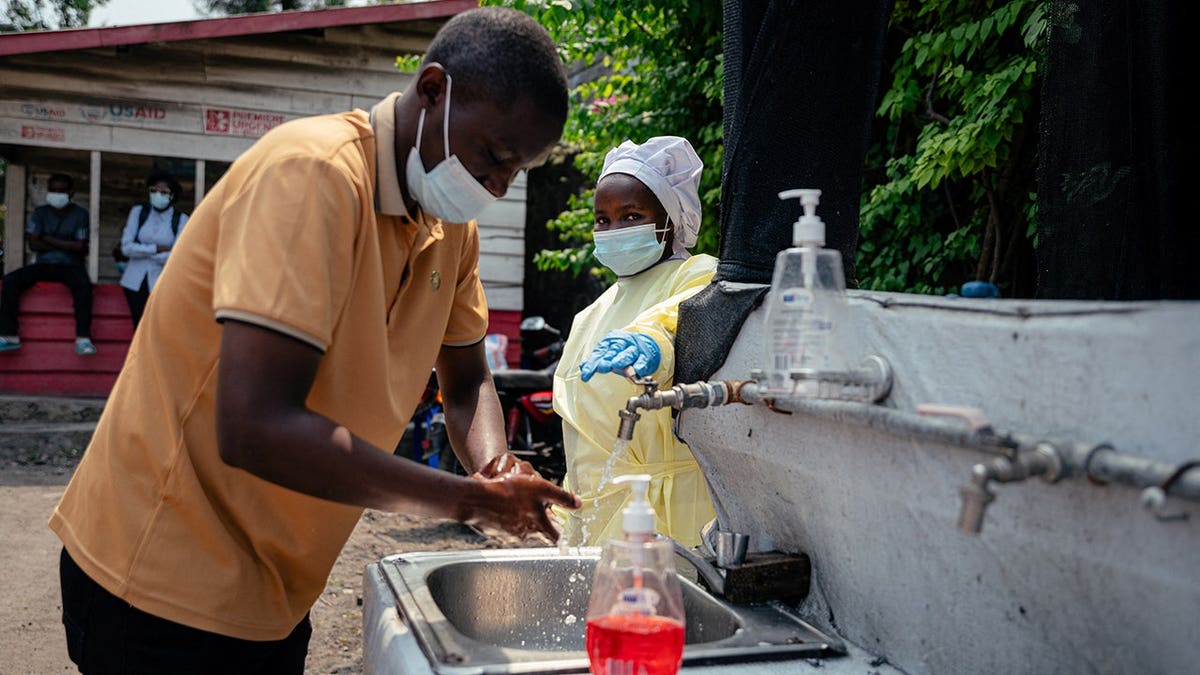
A visitor washes his hands at a checkpoint outside Kyeshero Hospital in Goma, Democratic Republic of Congo, on May 18, 2026, as part of Ebola prevention measures following the first reported case in the city. (Jospin Mwisha/AFP)
Glanville noted that while the outbreak is “growing rapidly,” one week ago there were fewer than 500 global cases.
“Thus, the chance of an infected traveler having come to the U.S. remains quite low for the time being,” he said.
CLICK HERE TO DOWNLOAD THE FOX NEWS APP
Dr. Robert H. Hopkins, Jr., medical director of the National Foundation for Infectious Diseases, agreed that the threat to American communities remains low.
“The viruses that cause Ebola pose a very small risk, even to travelers to areas with outbreaks,” the Arkansas-based expert told Fox News Digital. “This virus is transmitted only person-to-person via infected blood and body fluids from symptomatic people, and rarely from infected animals.”
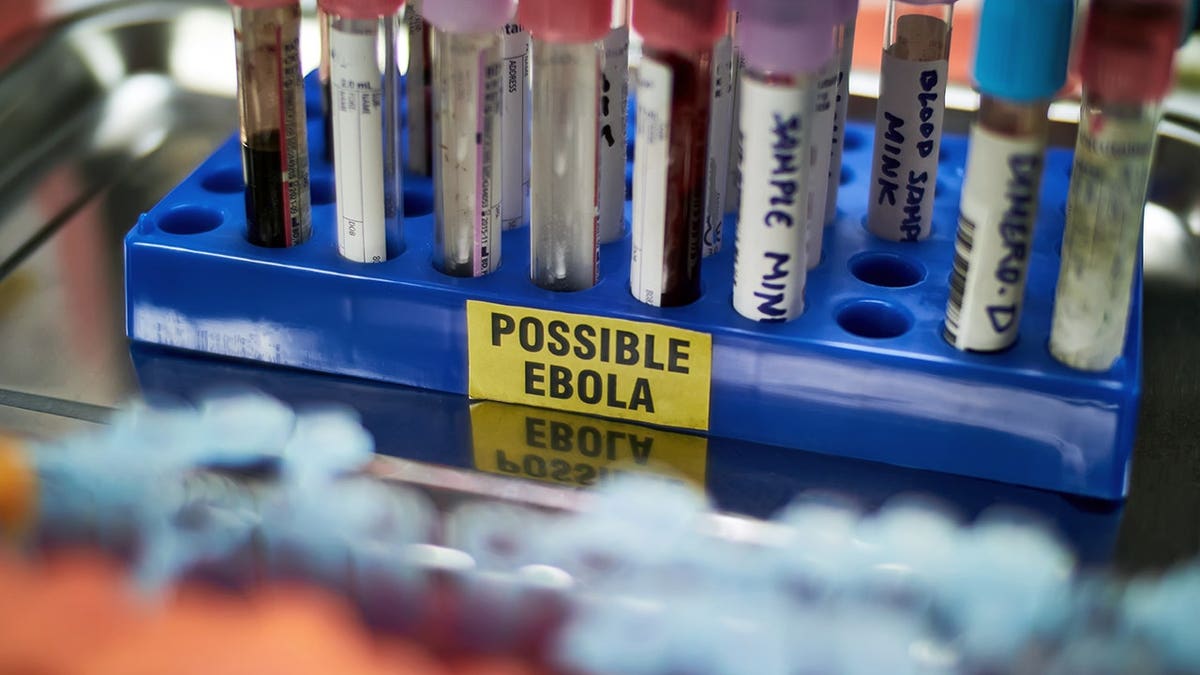
Those who believe they have been exposed to Ebola should seek medical attention immediately, experts advise. (iStock)
Ebola spreads through direct contact with infected blood, bodily fluids or remains of infected people or animals, including fluids such as saliva and sweat, according to Hopkins.
Cleveland Clinic notes that it is “very unlikely” for Ebola to be an airborne infection.
CLICK HERE TO SIGN UP FOR OUR HEALTH NEWSLETTER
The virus starts with flu-like symptoms, including fever, chills, fatigue, headache, muscle pain, vomiting/diarrhea and loss of appetite. Other signs may include a rash or spots of blood under the skin, hiccups, bruising and red, bloodshot eyes.
As the disease is a type of viral hemorrhagic fever, it causes damage to the blood vessels and can lead to more serious symptoms, including severe bleeding or hemorrhaging, neurological disorders and severe vomiting.
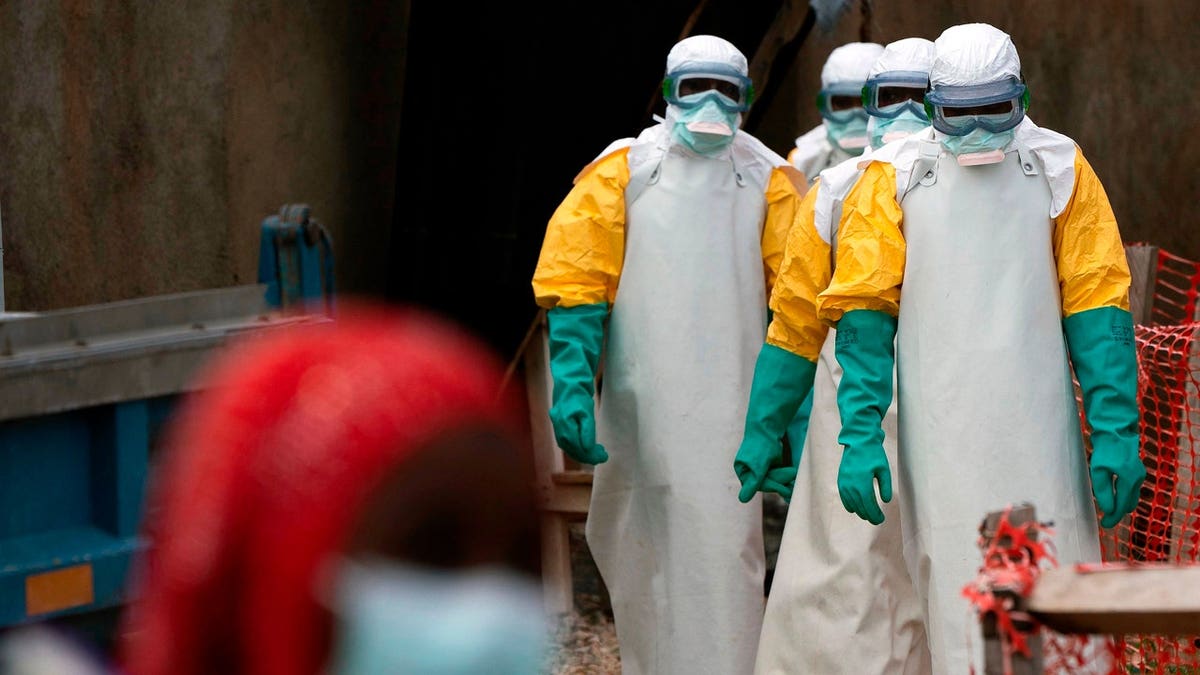
Health workers dressed in protective gear begin their shift at an Ebola treatment center in Beni, Congo, on July 16, 2019. (Jerome Delay/AP)
For those who have traveled to the outbreak area, Hopkins recommends monitoring for symptoms for three weeks after departing and seeking immediate care if symptoms develop.
Treatments are available, along with a vaccine that can help protect high-risk individuals and prevent further spread, according to healthcare professionals.
TEST YOURSELF WITH OUR LATEST LIFESTYLE QUIZ
Avoiding contact with blood, body fluids, and sick or deceased people and animals is “highly effective in the prevention of Ebola transmission,” Hopkins advised.
“If contact is required, high-quality personal protective equipment is recommended before contact with potentially infectious people and/or materials,” he added.
Fox News Digital’s Michael Sinkewicz and Andrea Margolis contributed to this report.